
Sitaray Residential Services in Islamabad
Sitaray's Residential programme for children with special needs in Islamabad
Sitaray’s residential programme provides safe, supervised accommodation for children and young adults with autism and other special needs in Islamabad. Daily routines are structured around teaching children daily living skills, community access and rest. For families across Pakistan, Sitaray’s residential programme can be the difference between years of delayed progress and a child who keeps building skills in an secure environment with trained therapists and supervisors. Our residential service integrates with our Early Intervention, Transition school and Daily living skills programmes.
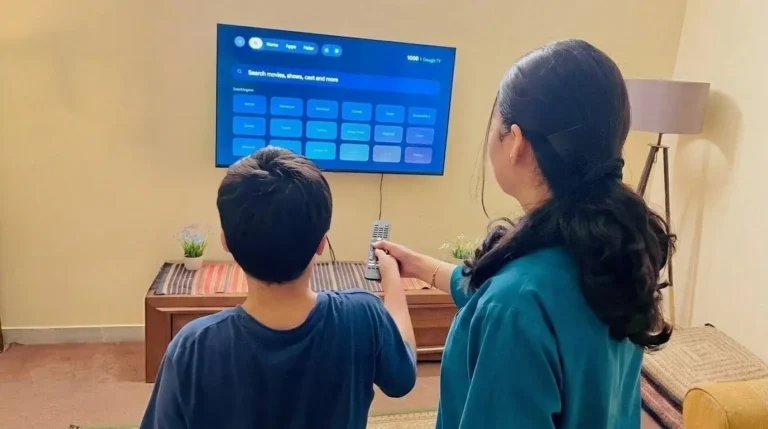
Key Features of Residential Accomodation Sitaray
24/7 Supervised Care
Individualised Therapy Integration
Home-Like, sensory Friendly-Environment
Regular Family Communication
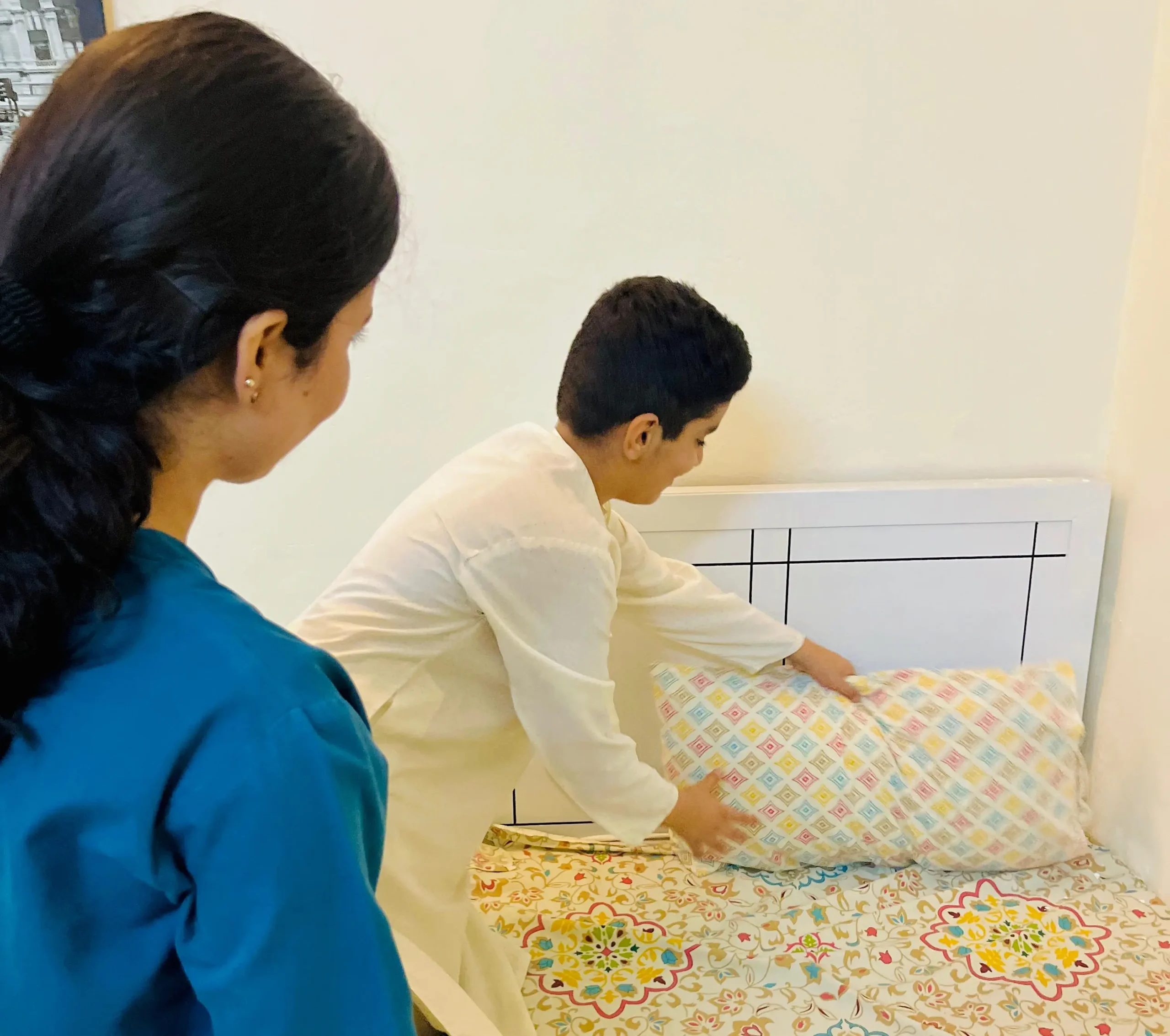
Safety & Behaviour Support
Safety is built into every part of a child’s stay, from trained staff supervision to clear daily routines that help children feel settled and secure in an unfamiliar setting. Where needed, our team uses behaviour support strategies to guide children through difficult moments calmly and constructively, always with the child’s wellbeing and dignity as the priority. Staff are trained to notice early signs of distress and respond in a way that keeps everyone safe, rather than waiting for a situation to escalate. Parents are kept informed through our tracking software, so there are never any surprises about how their child’s day has been.
Daily Living & Independence skills
Residential time gives children structured, repeated practice with everyday skills such as dressing, personal hygiene, mealtime routines and safely joining community outings, skills that are harder to build consistently within a short daily session. These skills are taught in real settings rather than simulated ones, which helps children generalise what they learn far more reliably. For adolescents, this work runs alongside the Life Skills Training programme, connecting residential practice to longer-term goals around independence and future employment. Parents receive regular updates on which skills are emerging so progress continues once a child is back home.
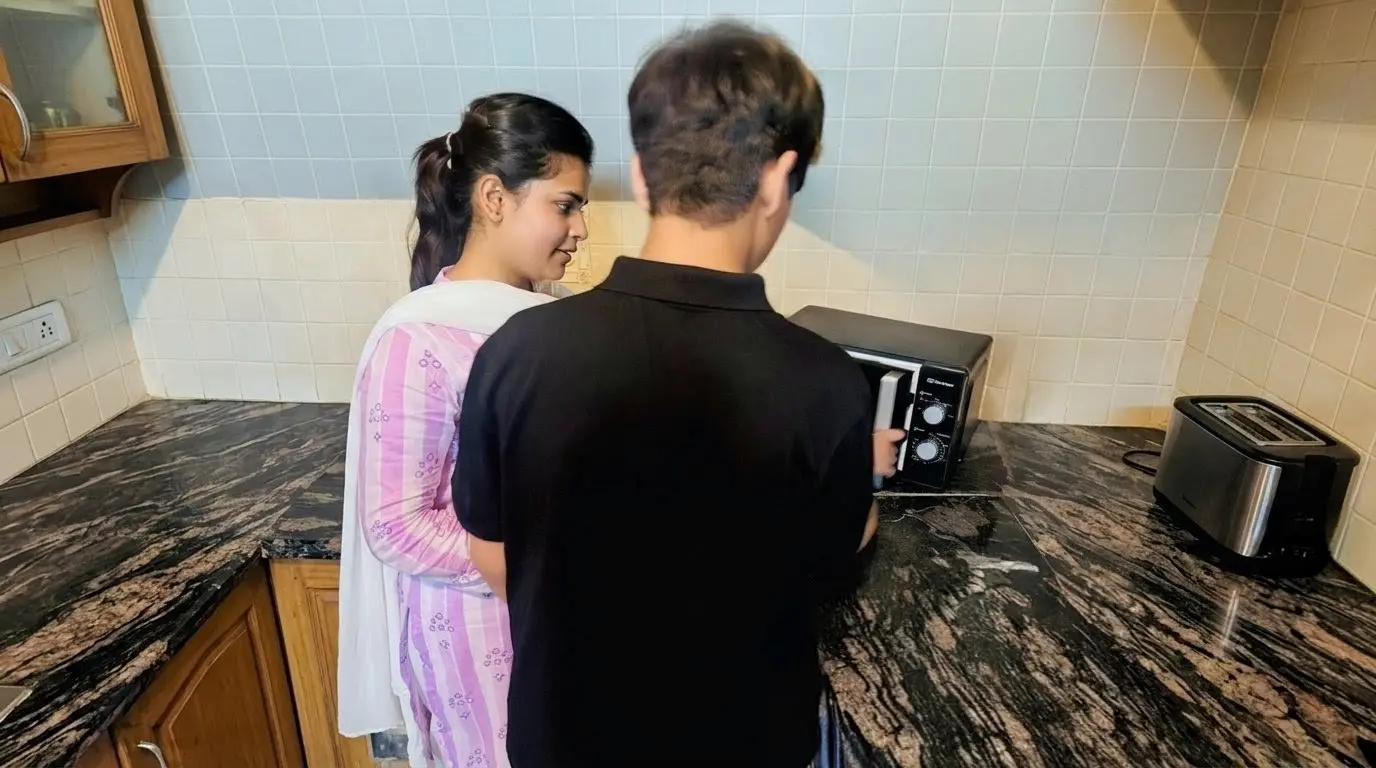
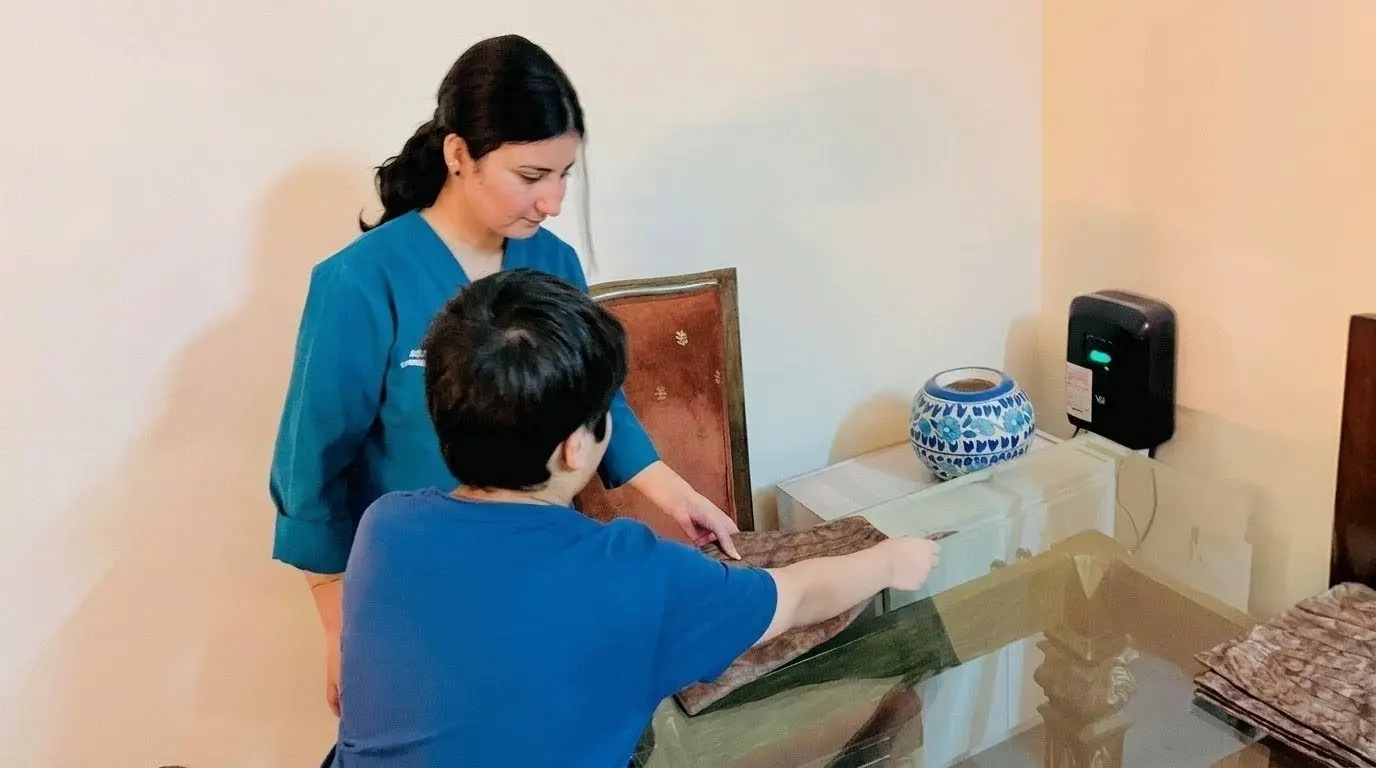
Nutrition and Daily Routines
A predictable daily rhythm, with consistent wake and sleep times, regular meals and set activity blocks, helps children with autism feel calmer and more able to engage with therapy and learning. Menus are adapted to individual sensory sensitivities and dietary needs, and mealtimes are used as an opportunity to build independence and social skills rather than treated purely as a break in the day. Physical activity, rest and quiet time are balanced throughout, so children are neither overstimulated nor under-occupied. This structure is reviewed regularly to make sure it still matches each child’s energy levels and preferences.
How is a Typical Day structured at Sitaray Residential?
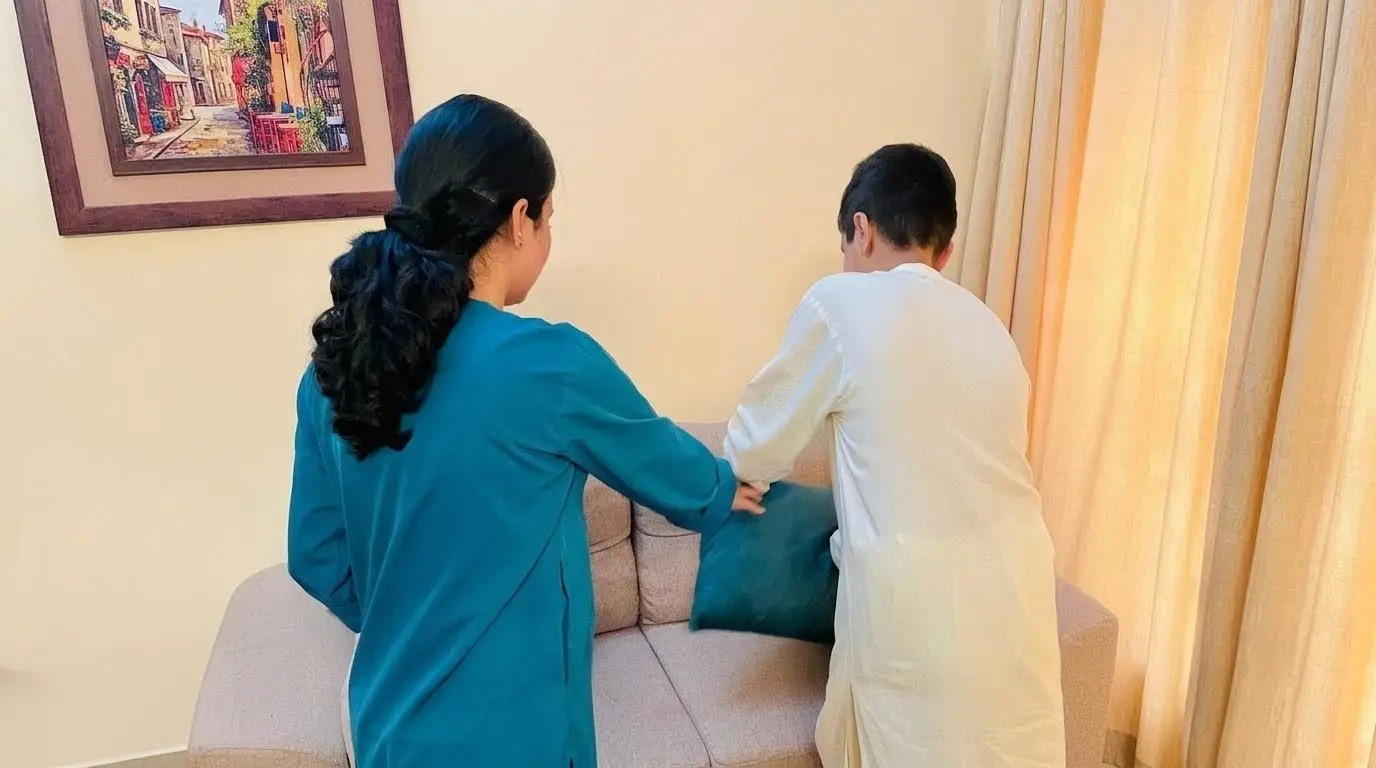
Each day in residential care blends therapy, education and daily living practice, so a child’s routine looks similar to home, just with more consistent support built around it. Children move between ABA therapy sessions, speech therapy, occupational therapy and Early Intervention or Transition School activities depending on their individual programme, alongside set times for meals, rest and recreation. Life skills practice, such as dressing, hygiene and mealtime routines, is woven into the day rather than treated as a separate activity, which helps children generalise what they learn in therapy to everyday situations.
Frequently Asked Questions
FAQs
Sitaray's residential accommodation is available to children and young adults with autism or other special needs, particularly those travelling from outside Islamabad and Rawalpindi or progressing through our Early Intervention, Transition school or Life Skills Training programme who need supervised, structured living alongside therapy.
Stay lengths vary by family and treatment plan, ranging from short respite stays to longer placements agreed with our clinical team. Every plan is reviewed regularly with parents to ensure the length of stay still matches the child's needs.
Yes, residential stays are built around each child's existing therapy plan, including ABA therapy, speech therapy and occupational therapy sessions delivered by the same BCBA-supervised team, so clinical progress continues rather than pausing during the placement.
Trained staff provide round-the-clock supervision, following clear safety and behaviour support protocols for medication, mobility and emergencies. Staffing ratios and routines are set by our clinical supervisors to match each child's individual support needs.
Yes, parents receive scheduled phone or video calls and progress updates throughout their child's stay. Our team also welcomes visits where appropriate, and works with families remotely through Telehealth between in-person reviews and consultations.
Families can start with a free consultation through our Contact page, where our clinical team reviews your child's needs and discusses whether residential accommodation at Sitaray, combined with our other therapy services, is the right fit.
Service Enquiry Form
Get Support
If you are seeking support for yourself or someone else, contact us today.
Phone:
Begin your journey with Sitaray
If you are seeking support for yourself or someone else, contact us today.